News
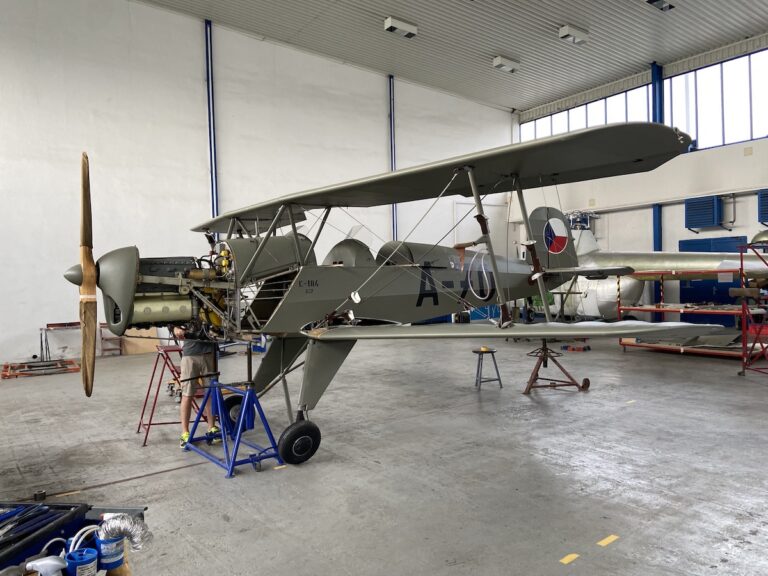

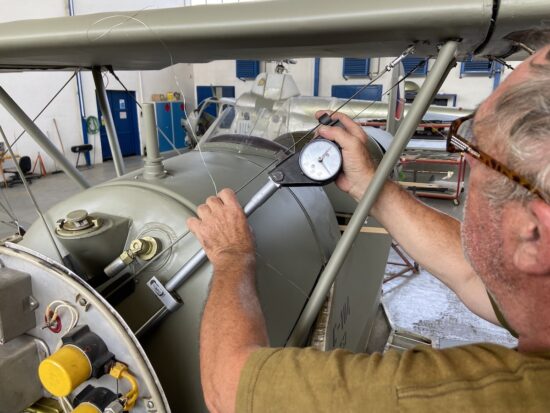
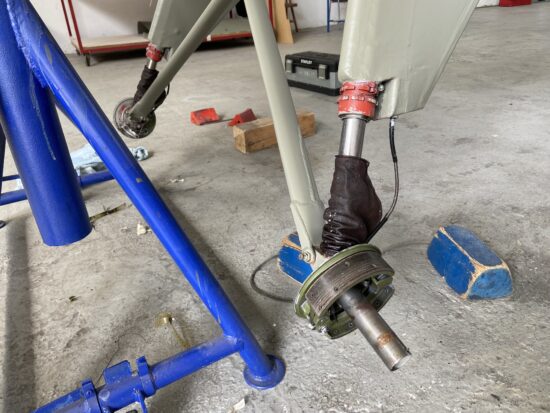
We’ve had a long couple of days of work. But hopefully it’ll be worth it. The Aero C 104 has got its canopy back, all its wings, in short, it’s a plane again. This, as always, was preceded by a lot of work that is not visible. For example, to level the plane, then using a strain gauge to “tune” all the trip wires to the values prescribed by the manufacturer, connect all the cables and control rods, then adjust them again according to the manual. And wherever you tweak one value, it immediately has an impact on the opposite side, in short – it’s a long and tedious process.
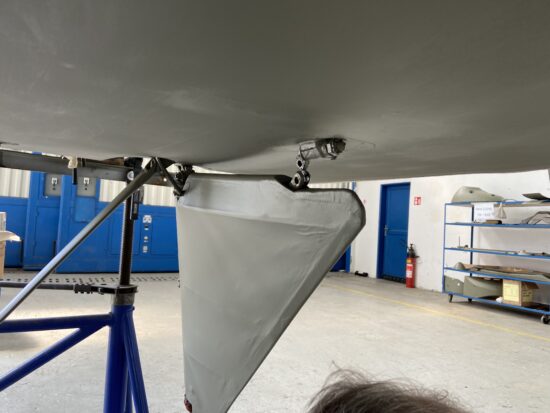
By the way, with canvas planes it’s clear that there’s a lot of sewing involved. But there is also the occasional tying, just as people tie their shoes, one such place on the Aero C 104 is the leather overlay of the gap between the stabilizer and rudder. A simple matter at first glance, but even that takes a lot of time.
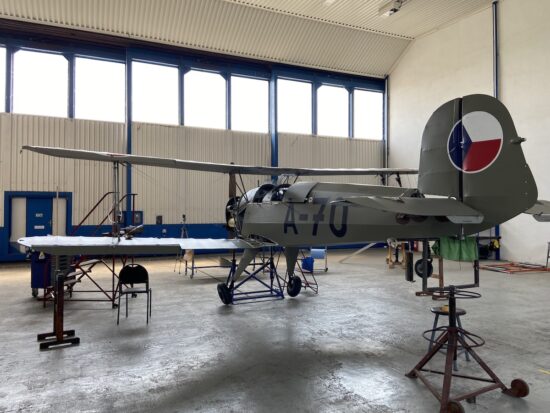

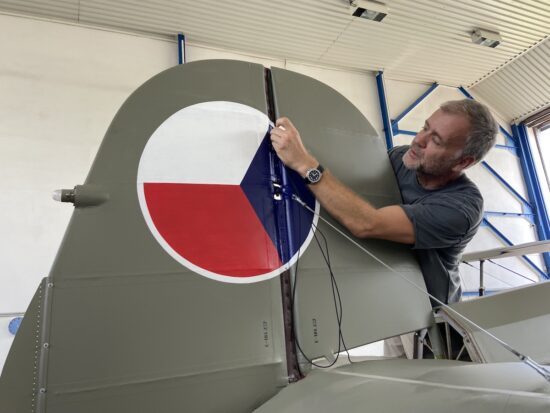
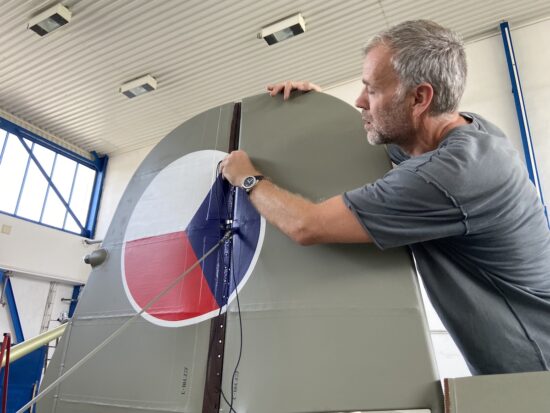
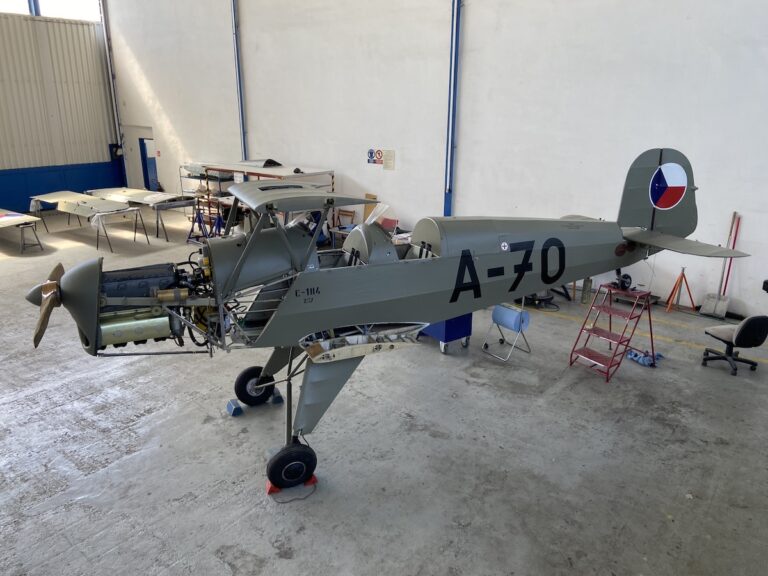

Once again, we have confirmed that reassembling a historic aircraft is a long haul. Even though we have everything ready, there is always something that needs to be modified. We now have the upper wing canopy fitted and levelled, the elevator and rudder, including their stabilisers, and the control cables and rods extended and connected. In the next few days, we are going to assemble the wings, level them and tension the wires.
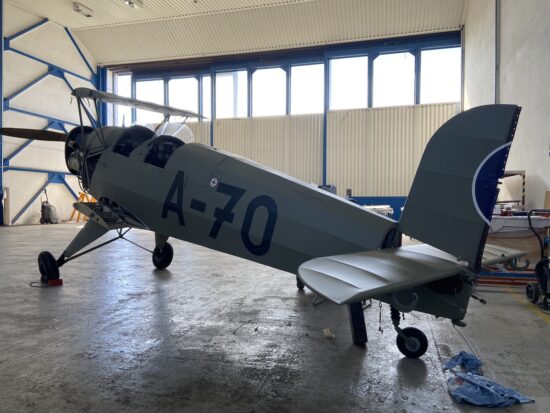
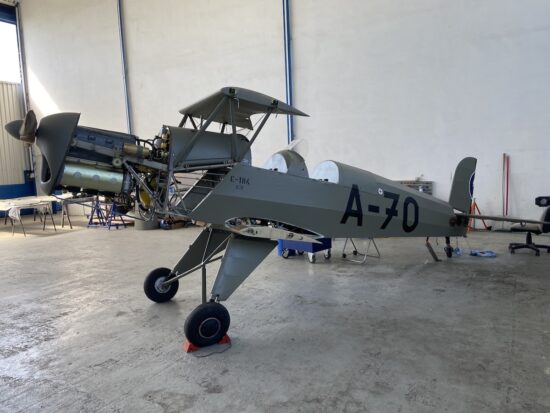
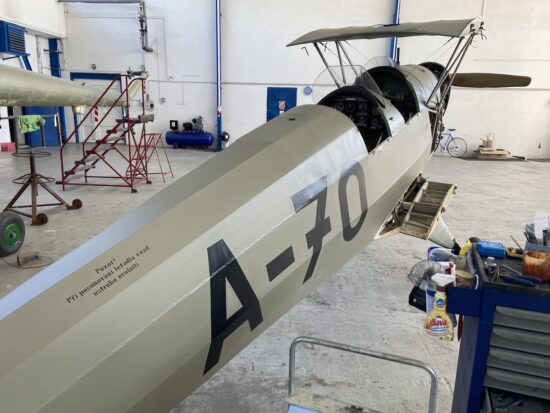

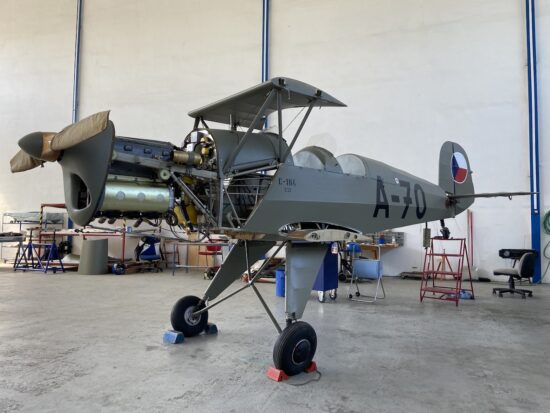
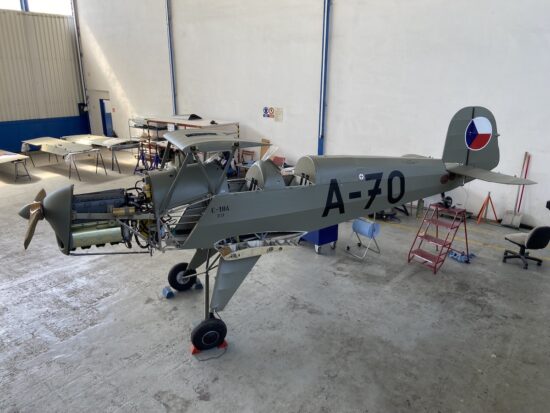

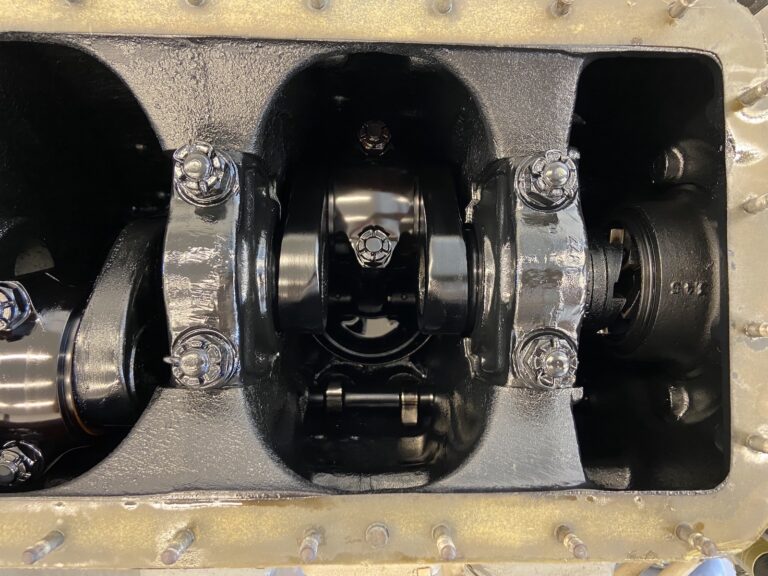

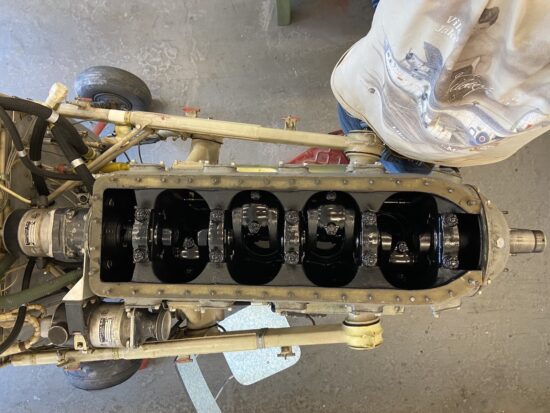
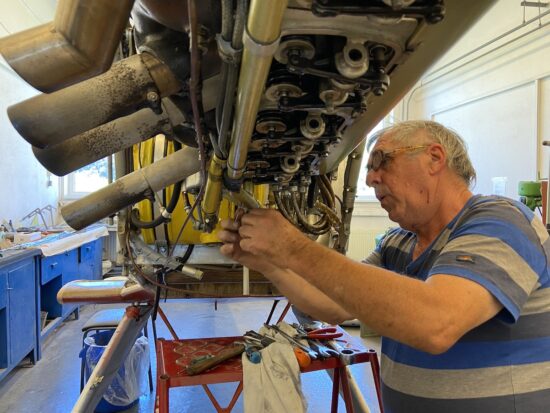
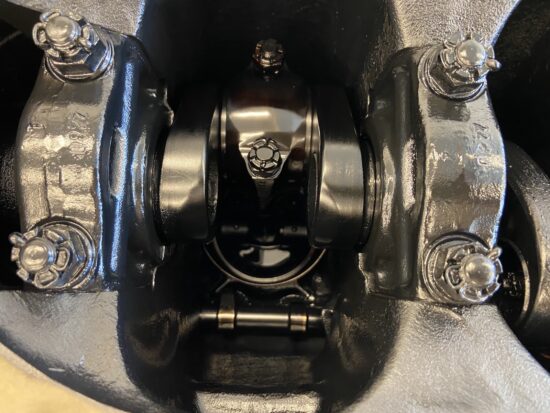
The C 104.237 trainer was built in 1947, was refurbished between 1985 and 1986 and has undergone only prescribed maintenance since then. Although it was well looked after by the previous operator, it is now time for a major overhaul. We are following a prescribed maintenance programme of 100 hourly inspections and other work, as per the Civil Aviation Authority approved schedule. Among many other things, we have completely replaced the oil and fuel system hoses, disassembled, and inspected the engine, landing gear and much, much more. Keep your fingers crossed that we are back in the sky as soon as possible.

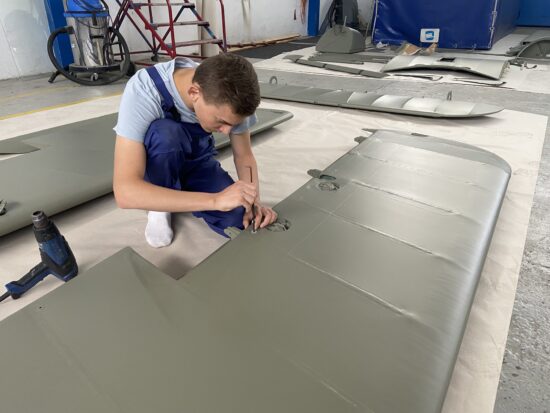

Reconstruction, but also repair of historic aircraft is a time and money consuming operation. Although we work really intensively on the Aero C 104.237, every day with four people, sometimes even five, there are some jobs that simply cannot be sped up. One of them is painting tactical codes and emblems. In 1947, these markings were painted with a brush, by hand. It was a job for a letterer. The problem is that if we spray painted the tactical number and the insignia, as is commonly done today, you wouldn’t see the brush strokes. So, we’re doing it the old-fashioned way.


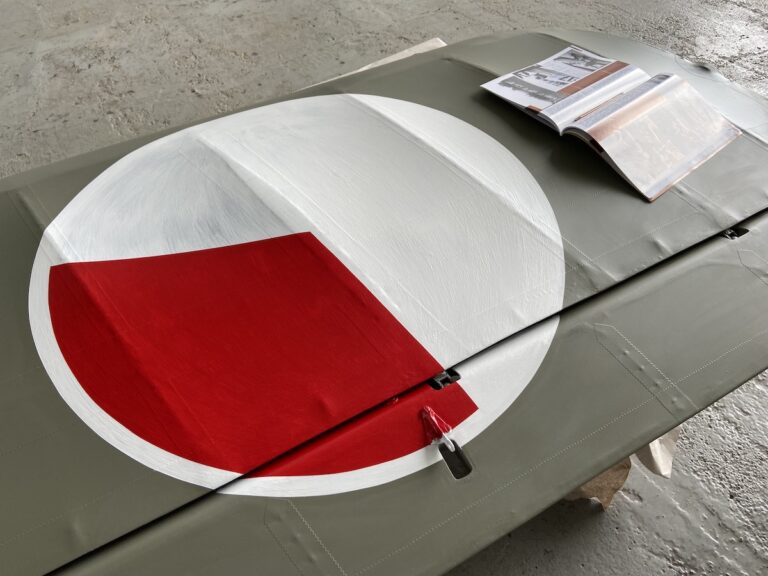


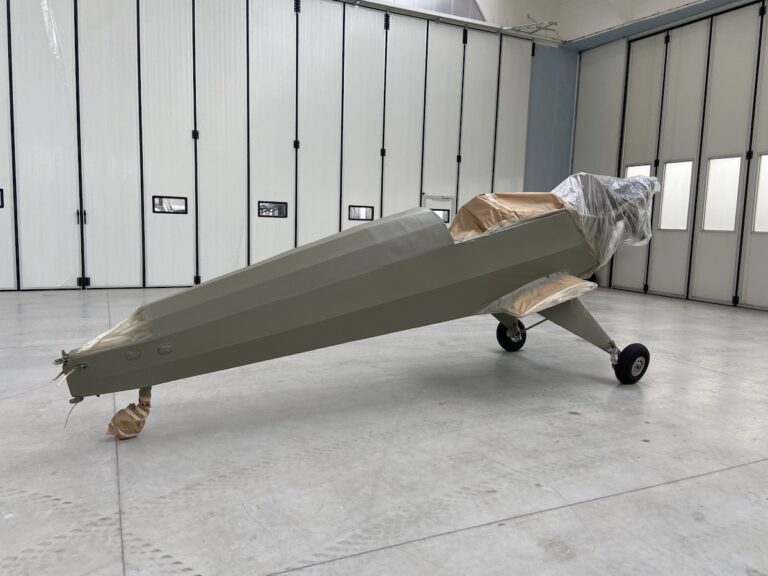

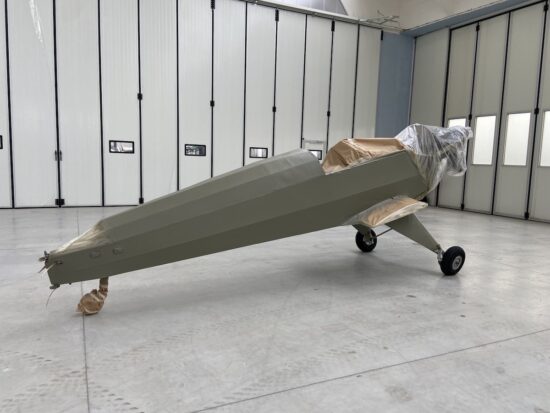
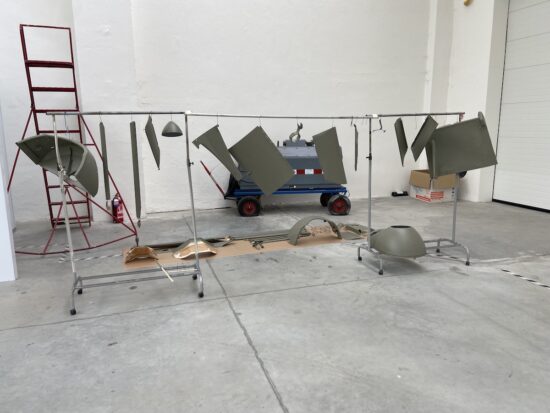
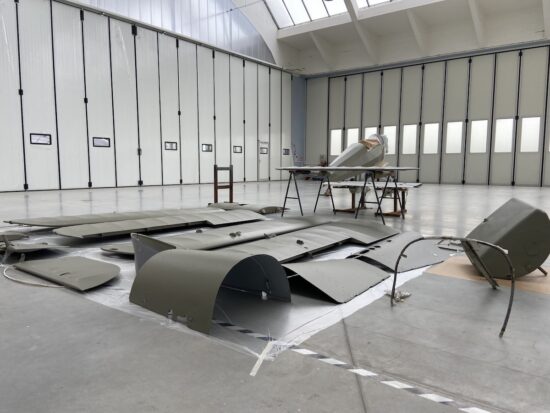
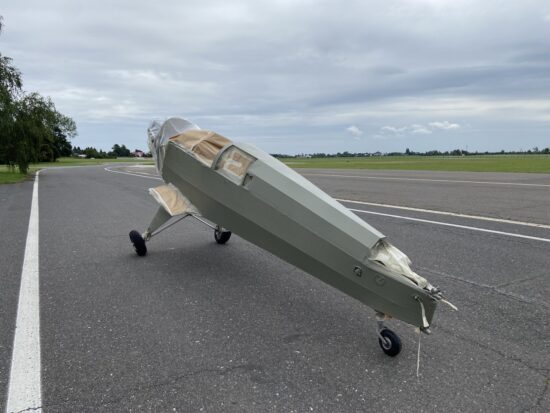
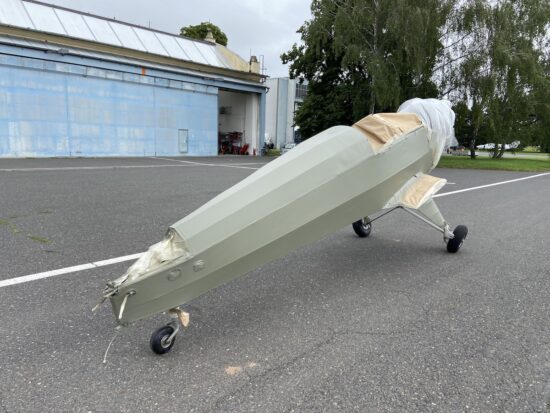
After two days of intensive work in the paint shop, we are done. Aero C 104.237 is completely in the same color as it left the production line at the Aero factory in Prague – Vysočany in 1947. The paint on all surfaces is RLM 02. Now we are waiting for the addition of the fuselage markings, fuselage codes and minor markings. And, of course, the reassembly of the whole aircraft.
A big thanks to DSA a.s., in whose new paint shop at the Prague – Kbely base the aircraft got back its original look. And to the company Česká aviatická for the organization and realization of the painting.